The Diet that might add 7.5 years to your life
Jun 05, 2026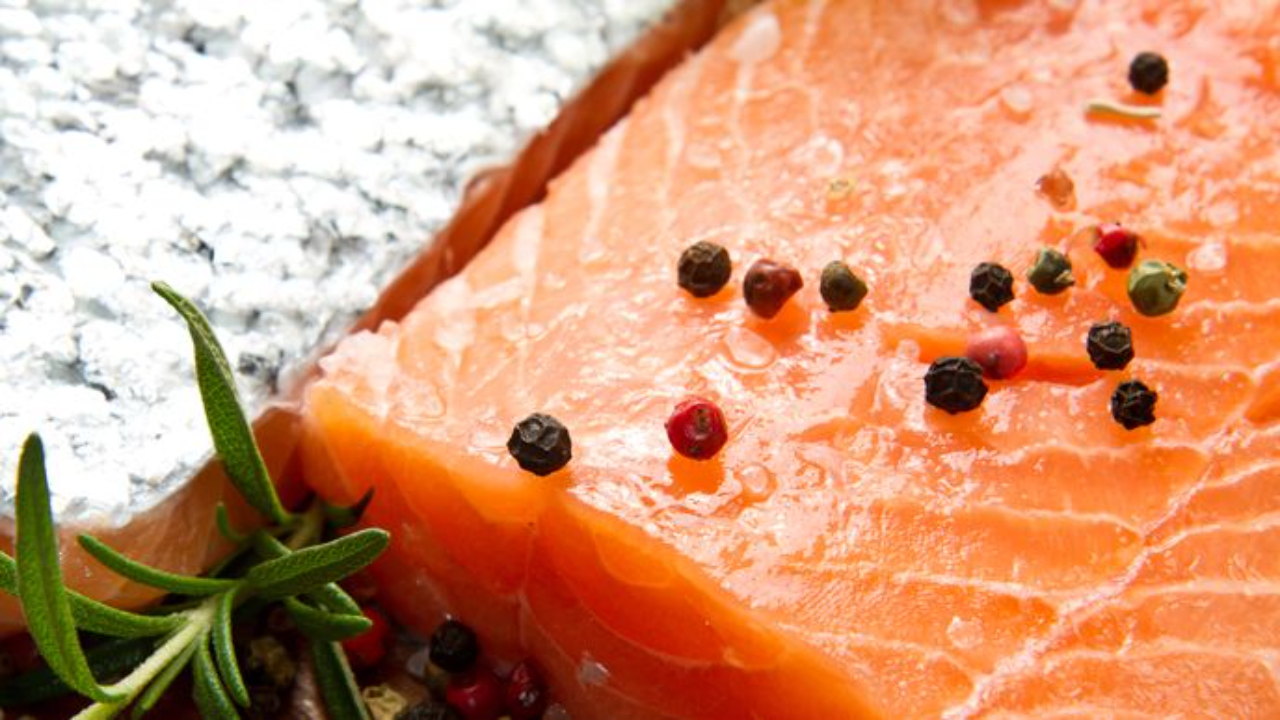
The MIND Diet: Why This Brain-Healthy Hybrid Is Your Ultimate Weapon Against Cognitive Decline
If there is one thing that causes universal anxiety as we age, it’s the thought of losing our mental sharpness. We focus heavily on physical fitness, but what are we actively doing to protect our gray matter?
The answer isn't a miracle supplement or a brain-training app. It’s what you put on your plate.
Let’s unpack a landmark nutritional framework that bridges the gap between cardiovascular health and neurology: The MIND Diet . Short for the Mediterranean-DASH Diet Intervention for Neurodegenerative Delay, this hybrid protocol was specifically engineered by researchers at Chicago's Rush University Medical Center to protect the aging brain and help prevent dementia .
The Science: Shaving 7.5 Years Off Your Brain Age
The foundational data supporting the MIND diet comes from the Rush Memory and Aging Project . Researchers tracked 960 older adults (with an average age of 81.4 years) over a span of nearly five years to observe how their natural eating patterns affected their cognitive trajectories .
The results were staggering:
-
A Youthful Trajectory: Participants who rigorously adhered to the MIND diet protocol were 7.5 years younger cognitively than those who had the poorest adherence .
-
Targeted Protection: High adherence was statistically linked to a significantly slower decline in global cognitive scores . It specifically protected vital cognitive domains, most notably episodic memory (recalling specific events), semantic memory (words and facts), and perceptual speed .
While this initial research was observational in nature, it was built upon an expansive review of decades of nutritional science . It modified two of the most heavily validated diets on earth—the Mediterranean diet and the DASH diet (both famous for reducing the risk of hypertension, heart attacks, and strokes)—and distilled them to prioritize the exact foods shown to optimize brain function .
The Blueprint: 10 Brain-Healthy Food Groups vs. 5 to Limit
The MIND diet features 15 distinct components . Rather than forcing you into a state of stressful deprivation, it operates on a simple checklist of 10 "brain-healthy" food groups you should actively include, and 5 unhealthy groups you should intentionally limit .
The Daily & Weekly Essentials
To optimize your brain health under this protocol, your weekly grocery cart should prioritize these items:
-
Whole Grains: At least three servings every single day (e.g., oats, quinoa, brown rice) .
-
Green Leafy Vegetables: At least one serving daily . As we know, the insoluble fiber and dense micronutrients in greens are crucial for systemic health.
-
Other Vegetables: At least one other vegetable of any color daily .
-
Nuts & Beans: Snack on nuts most days of the week, and include beans or lentils every other day .
-
Poultry: Enjoy chicken or turkey at least twice a week .
-
Fish: At least once a week . Rich omega-3 fatty acids are literal structural components of your brain cells.
-
Berries: Eat them at least twice a week . Notably, berries are the only fruit highlighted in the MIND diet because of their exceptionally high concentration of anthocyanins (antioxidants that cross the blood-brain barrier) .
-
Wine: The original framework allowed for one glass of wine a day, though modern lifestyle medicine notes this should be approached with caution based on individual health profiles. However, the resveratrol found in red wine probably makes it helpful whereas other products should be used socially on a limited basis.
The 5 Groups to Limit
To prevent neuroinflammation and vascular damage, the MIND diet establishes clear upper limits for these inflammatory food groups :
-
Butter and Stick Margarine: Less than 1 tablespoon per day .
-
Whole-Fat Cheese: Less than 1 serving per week .
-
Red Meat: Strictly limited throughout the week .
-
Fried or Fast Food: Less than 1 serving per week .
-
Pastries and Sweets: Less than 1 serving per week .
Lifestyle Medicine Perspective: Why Heart Healthy Equals Brain Healthy
When analyzing these guidelines, it is helpful to step back from the "diet wars" . There is no need to over-complicate nutrition or fight over competing food philosophies .
The underlying biological truth is elegant: What is heart-healthy is fundamentally brain-healthy .
The human brain is a highly metabolic organ. It demands an immense percentage of the total oxygen and nutrients carried by your vascular system . If your diet is high in ultra-processed foods, saturated fats, and refined sugars, your blood vessels suffer, causing a slow restriction of blood flow to the brain . As we age, if the brain is consistently starved of adequate oxygen and nutrients due to poor vascular health, its resilience plummets . It becomes highly vulnerable to the structural changes that trigger Alzheimer’s disease and other forms of dementia .
By focusing your meals around the MIND diet’s whole-food framework, you are directly protecting the intricate network of blood vessels feeding your brain.
Your First Step
You don't have to overhaul your entire kitchen overnight. Start by adding one serving of leafy greens to your day and swapping out a processed snack for a handful of walnuts. Small, consistent shifts in your dietary patterns compound into massive protection for your cognitive future.
What is one food from the MIND diet's "healthy list" that you can commit to adding to your grocery list this week?
To stay updated on news and research also follow me on facebook at www.facebook.com/healthandperformanceupdate
Stay connected with news and updates!
Join our mailing list to receive the latest news and updates from our team.
Don't worry, your information will not be shared.
We hate SPAM. We will never sell your information, for any reason.