The 'Missing Link' in Longevity: Why Your Friends are More Important Than Your Pharmacy.
Jun 09, 2026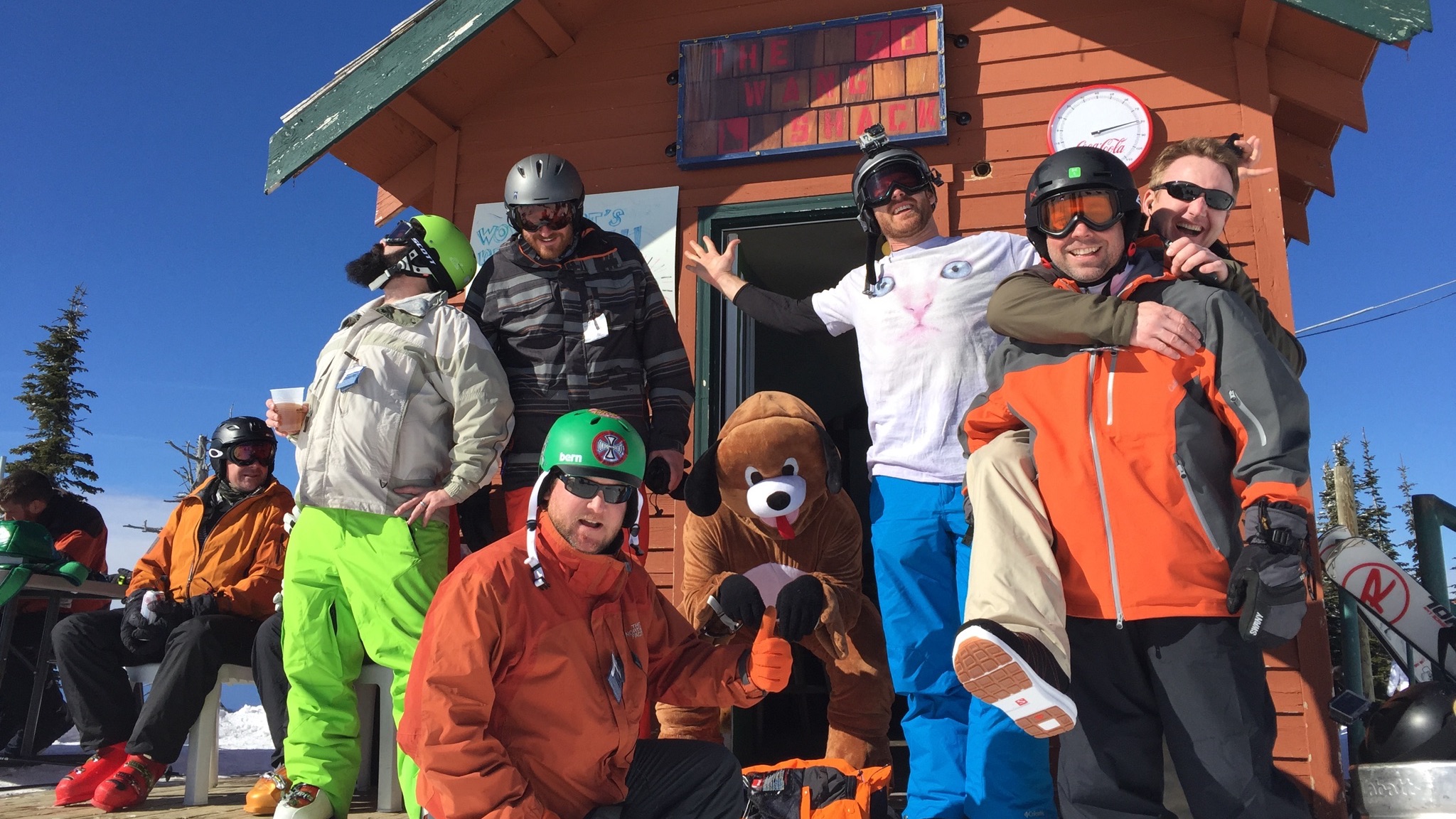
The Longevity Secret Your Personal Trainer Isn’t Telling You
We’ve spent decades obsessing over the "Big Two" of longevity: nutrition and exercise. We count macros like they’re gems and treat our step counts like a religion. But as a physician who bridges the gap between lifestyle and functional medicine, I’m here to tell you that you can eat all the kale in the world and deadlift a small car, but if you’re doing it alone, you’re missing the most potent vitamin in the apothecary: Social Connection.
In my practice, I look at the body as an integrated system. We don’t just treat symptoms; we look for the root cause of vitality. And more often than not, the root of a long, vibrant life is planted in the soil of community.
Why Your Social Life is a Vital Sign
It sounds "woo-woo" until you look at the hard data. Research has shown that social isolation is as damaging to your health as smoking 15 cigarettes a day. It’s more predictive of a premature death than obesity or physical inactivity.
When we lack meaningful connection, our bodies enter a state of low-grade, chronic "biological stress." This triggers the release of cortisol and pro-inflammatory cytokines. In functional medicine, we know that inflammation is the arsonist of the body, fueling everything from heart disease to cognitive decline.
The Health Impact of Connection:
-
Cardiovascular Health: Strong social ties lower blood pressure and reduce the risk of stroke.
-
Immune Function: People with diverse social networks are more resistant to common viruses.
-
Brain Longevity: Engaging with others is high-level cognitive "gymnastics" that fends off dementia.
Lessons from the Blue Zones: The Power of the Moai
If you want to live to 100, look at the Blue Zones—the regions of the world where people consistently outlive the rest of us. Whether it’s the hills of Sardinia or the islands of Okinawa, the common denominator isn’t just their plant-slanted diet; it’s their social architecture.
In Okinawa, Japan, people form a Moai—a committed group of five friends who support each other for life. They don’t just meet for a drink occasionally; they are financially, emotionally, and socially tethered. When one person stumbles, the other four are there to catch them. This sense of belonging lowers the "allostatic load" (the wear and tear on the body) and ensures no one faces the trials of aging in a vacuum.
From "Hi" to Health: How to Improve Your Social Fitness
Improving your relationships doesn’t mean you need to become the life of the party (introverts, you can breathe now). It’s about quality and consistency.
1. Practice "Micro-Connections" Connection isn't always a deep, three-hour soul-searching session. It’s the 30-second chat with the barista or the genuine "thank you" to a coworker. These small moments trigger a hit of oxytocin—the "cuddle hormone"—which acts as a natural buffer against stress.
2. Schedule Your Socializing We schedule our workouts and our dentist appointments, yet we leave our social lives to "let’s grab coffee sometime." In my world, "sometime" is a medical impossibility. Put a recurring "social hour" on your calendar. Treat it with the same reverence as your morning fast.
3. Volunteer for a Shared Mission The "Helper’s High" is a real physiological phenomenon. When we help others, our brain's reward system lights up. Joining a community garden or a local charity provides two longevity boosters for the price of one: connection and purpose.
The Longevity Loop: Connecting the Dots
If you are serious about your healthspan—the period of life spent in good health—you have to view your relationships as a biological necessity, not a luxury. A functional approach to aging requires us to optimize our environment, and your "human environment" is the most influential one you have.
Take the Next Step in Your Longevity Journey
Optimizing your social life is just one pillar of a truly vibrant life. If you’re ready to stop guessing and start implementing a scientifically-backed blueprint for aging gracefully, I invite you to join my course: Healthspan Habits. We dive deep into the protocols of lifestyle medicine to ensure your best years are still ahead of you.
[Learn More About Healthspan Habits Here]
Bibliography & Research
-
Holt-Lunstad, J., et al. (2010). Social Relationships and Mortality Risk: A Meta-analytic Review. PLOS Medicine.
Link -
Buettner, D. (2012). The Blue Zones: Lessons for Living Longer From the People Who've Lived the Longest. National Geographic.
-
Waldinger, R. J., & Schulz, M. S. (2010). The Harvard Study of Adult Development. (The longest-running study on happiness and health).
Link
To stay updated on news and research also follow me on facebook at www.facebook.com/healthandperformanceupdate
Stay connected with news and updates!
Join our mailing list to receive the latest news and updates from our team.
Don't worry, your information will not be shared.
We hate SPAM. We will never sell your information, for any reason.